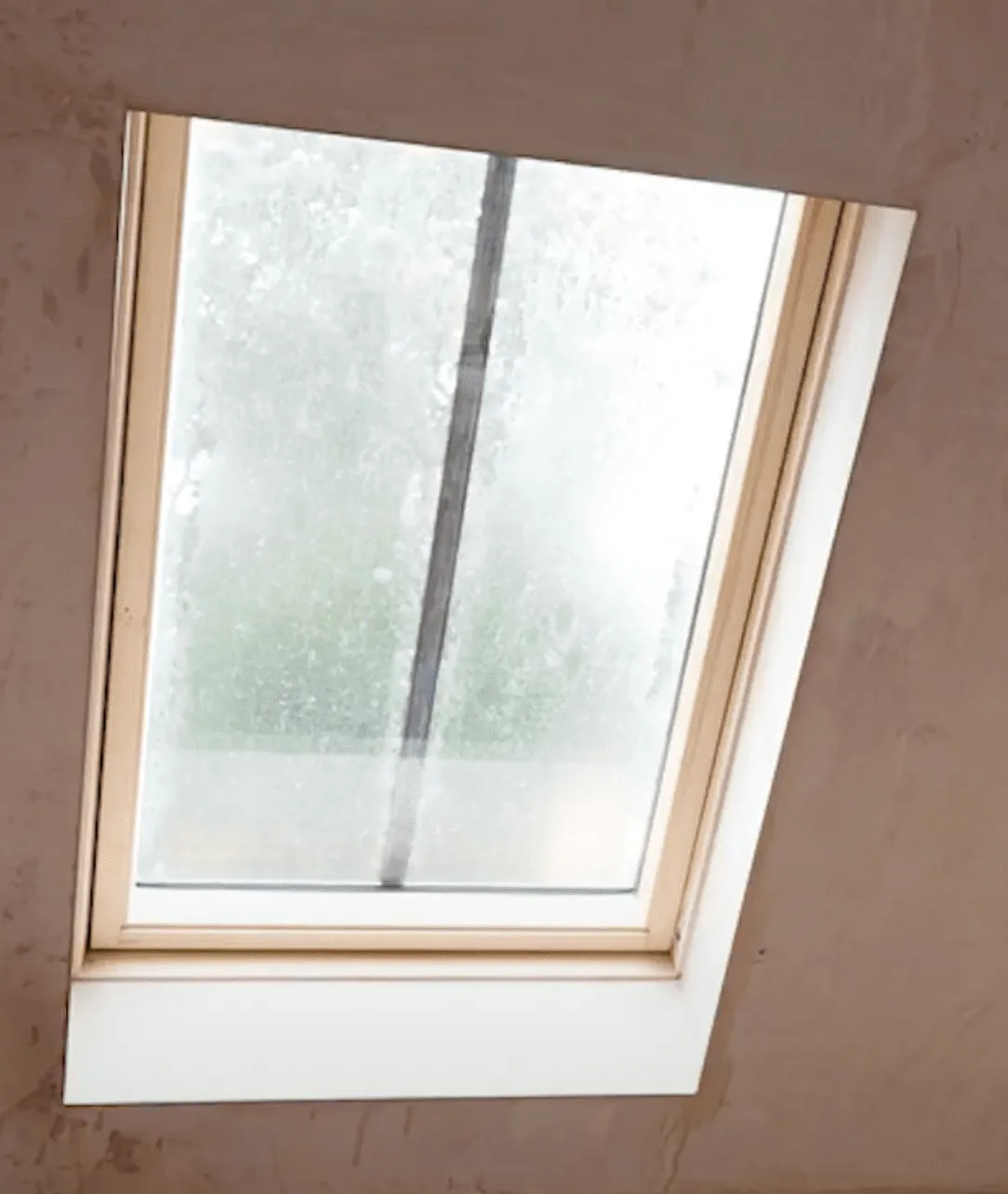
Cavity wall insulation removal in Rotherham & Sheffield
Cavity wall insulation removal takes out insulation that has got wet, or was fitted in a wall that was not suitable for it, and is now letting damp across to the inside. We are a family firm in Rotherham, working across Sheffield and South Yorkshire, and we check the insulation really is the cause before we recommend taking it out.
- Family-run
- Over 30 years in the trade

Signs to look for
Signs your cavity insulation is causing damp
The signs show inside, on the outside walls of the house, often some time after the insulation went in.

Damp patches on inside walls
On outside walls, often the ones facing the weather, that appeared after the insulation was put in.
Damp that gets worse after rain
Rain soaking through the outer wall and across the wet insulation.
Cold spots and mould
Where insulation has slumped, left gaps or got wet, the wall is colder and mould can grow.
Rooms that are harder to heat
Wet insulation does little to keep the heat in.
What causes it
Why cavity insulation can cause damp
The cavity in a cavity wall stops rain crossing from the outer wall to the inner one. Filling it with insulation keeps the house warmer, but in some walls it gives the rain a way across.
- Exposed or worn walls
- Walls that face driving rain, have worn pointing or cracked render, or were in poor condition when filled are most at risk. Once the insulation is wet, it is slow to dry.
- Poor installation
- Gaps leave cold spots where condensation and mould form, and rubble or mortar left in the cavity can bridge it.
- Other causes first
- Not every damp patch on an insulated wall is the insulation, so we check for leaks, condensation and penetrating damp first.
How we find the cause
We check it is the insulation before it comes out
Taking insulation out of a wall that does not need it costs you money and the warmth it gives, so we check first.
You tell us when it started
When the insulation went in, when the damp appeared and which walls it is on.
We look at the outside of the wall
The pointing, render, gutters and sills, and how exposed the wall is to driving rain.
We check the insulation
What kind it is, and whether it is wet, has slumped or has left gaps.
We explain what needs doing
Whether removal will fix the damp, and a free quote for the work, with no obligation.
Talk to us about cavity wall insulation removal
Removal is priced on the area of wall and the kind of insulation in it, so we do not publish a price list.
- Based in Rotherham, working across South Yorkshire and nearby
- Most jobs take one to five days
Treatment
How we remove cavity wall insulation
The insulation comes out through openings in the outer wall, and the wall is put back as it was.

Why fix it properly
Why it is worth fixing properly
Your walls
Damp inside goes on spoiling plaster and decoration until its cause is taken away.
Your health
Cold, damp walls encourage mould, which can make breathing problems such as asthma worse.
Your heating bills
Wet insulation does little to keep the heat in, so you pay to heat a cold wall.
Reviews
In our customers’ words
More reviews, or read every one on Google (opens in a new tab) and Trustpilot (opens in a new tab)
Questions
Questions about cavity wall insulation removal
Not covered here? Ask us. A photo of what you have noticed helps.
Can cavity wall insulation cause damp?
It can. In walls exposed to driving rain, or in poor condition when they were filled, the insulation can carry water across the cavity to the inside wall. Many insulated walls have no problem at all, so the cause needs checking first.
How much does cavity wall insulation removal cost?
It depends on the area of wall, the kind of insulation and the access, so we price each job on what we find. Loose beads and fibre come out more easily than foam, and scaffolding for upper floors and gable ends adds to the cost. The quote is free and sets out exactly what it covers.
How is cavity wall insulation removed?
Bricks are taken out along the outer wall to open up the cavity. The insulation is broken up with compressed air and vacuumed out, and then the bricks are put back.
How do I know if my cavity wall insulation has failed?
Damp patches, cold spots or mould on the inside of outside walls that appeared after the insulation went in, often worse after rain or on the walls facing the weather, are the usual signs.
Is it worth removing cavity wall insulation?
If it is causing damp, yes, as the damp will not stop while wet insulation bridges the cavity. If the damp has another cause, removing it will not help and you lose the warmth it gives.
Who pays to have failed insulation removed?
Check first whether the insulation came with a guarantee. Many installations carry a 25-year guarantee from CIGA, the Cavity Insulation Guarantee Agency, which may cover insulation that has failed. Your installer or CIGA can tell you whether yours is covered.
Will my house be colder afterwards?
The wall loses the insulation, but wet insulation keeps very little heat in. Once the cavity is dry and clear, whether to insulate it again, and how, depends on the wall and how exposed it is.
Will you need to work inside the house?
The insulation comes out from outside, through openings in the outer wall. Work inside is only needed where damp has damaged the plaster. The wall then needs time to dry out before any plaster inside is replaced.
Not sure what you are looking at? Send us a photo.
A picture of the wall, floor or timber helps us understand the problem.
or call 07579 009 735, or see all the ways to reach us